The moment you wake up and scroll through your phone, there’s a quiet question many Americans are suddenly asking themselves: Am I actually fit, or just busy? In a post-pandemic world obsessed with longevity, energy, and mental sharpness, body fitness has become more than a gym goal. It’s a personal audit. That’s exactly why how to check body fitness thespoonathletic is exploding across Google Discover feeds, fitness forums, and wellness communities. This isn’t just another viral phrase. It reflects a deeper shift in how people want clear, honest answers about their health, without hype or confusion.
Why How to Check Body Fitness TheSpoonAthletic Is Suddenly Everywhere
Search interest for how to check body fitness thespoonathletic has surged in the United States over recent months, according to Google Trends snapshots shared by digital health analysts. The rise isn’t random. Americans are increasingly skeptical of extreme fitness culture and want practical, data-backed ways to understand their bodies. TheSpoonAthletic has positioned itself as a bridge between professional fitness assessments and everyday self-checks that feel achievable, even for beginners.
What’s driving this trend is accessibility. Instead of intimidating lab tests or expensive trainers, the approach focuses on awareness, measurable indicators, and consistency. In an era where wearable tech, smart scales, and at-home tests dominate wellness conversations, people are searching for a structured yet human way to assess progress. That’s where this method has captured attention, especially among adults aged 25–44.
The Core Idea Behind TheSpoonAthletic Fitness Checks
At its heart, how to check body fitness thespoonathletic revolves around understanding fitness as a balance, not a single number. It doesn’t promise overnight transformation. Instead, it emphasizes baseline measurements, gradual improvement, and realistic benchmarks. This philosophy resonates with Americans burned out by crash diets and viral workout challenges that deliver more injuries than results.
The method integrates multiple components: cardiovascular endurance, muscular strength, flexibility, body composition, and recovery health. Rather than focusing only on weight, it encourages users to evaluate how their bodies perform in real-life scenarios. That performance-first mindset aligns closely with current sports science research, which shows functional fitness is a stronger predictor of long-term health than aesthetics alone.
Cardiovascular Endurance and Why It Matters More Than Ever
One of the first pillars in how to check body fitness thespoonathletic is cardiovascular endurance. In simple terms, it measures how efficiently your heart and lungs support sustained activity. This has become especially relevant in the U.S., where heart disease remains the leading cause of death. Fitness experts now stress that endurance is not just for runners but for anyone who wants energy throughout the day.
TheSpoonAthletic-style checks often include timed walking tests, resting heart rate tracking, and recovery time after moderate exercise. These indicators reveal how your body responds to stress and how quickly it stabilizes. According to recent CDC data, adults who maintain moderate cardio fitness reduce their risk of chronic illness by up to 35 percent. That statistic alone explains why endurance checks are trending again.
Strength, Muscle Balance, and Functional Power
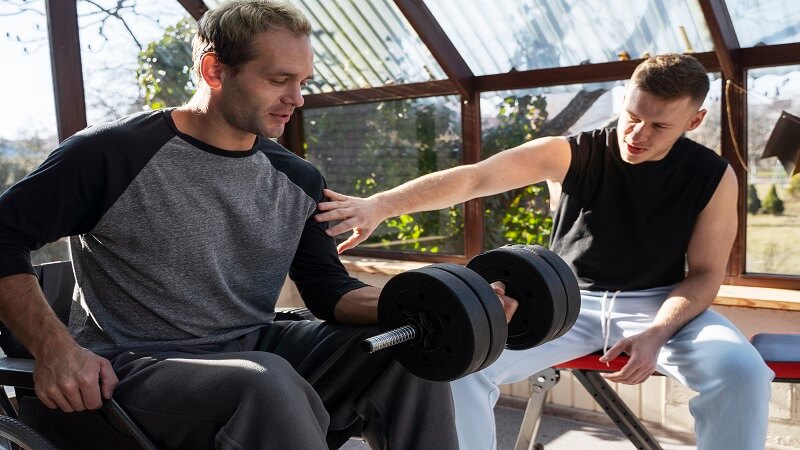
Strength assessment is another key element in how to check body fitness thespoonathletic, but it’s not about lifting the heaviest weight. Instead, it looks at functional strength, how well muscles support daily movement. Think squats, push-ups, planks, and controlled bodyweight exercises that reveal imbalances or weaknesses.
What makes this approach stand out is its focus on symmetry and joint health. Many Americans unknowingly develop muscle imbalances from desk jobs and repetitive motion. By evaluating strength through controlled movements, users can identify problem areas early. Physical therapists increasingly recommend similar assessments because they reduce injury risk and improve posture, making strength checks a preventive tool rather than just a performance metric.
Flexibility and Mobility as Hidden Fitness Signals
Flexibility is often overlooked, yet how to check body fitness thespoonathletic treats it as a critical signal of overall health. Mobility tests assess how freely joints move through their natural range. Tight hips, stiff shoulders, or limited spinal movement can indicate underlying stress, inflammation, or poor recovery habits.
In the U.S., where sedentary lifestyles dominate, mobility loss starts earlier than many expect. TheSpoonAthletic-inspired checks use simple reach tests, controlled stretches, and posture analysis to highlight restrictions. These insights help users understand why discomfort appears during workouts or daily tasks. Fitness researchers now link good mobility to better athletic performance and reduced healthcare costs over time.
Body Composition Beyond the Scale
One reason how to check body fitness thespoonathletic resonates so strongly is its rejection of scale obsession. Body composition focuses on fat mass, lean muscle, and water balance rather than raw weight. This shift aligns with modern health research showing that two people with the same weight can have vastly different health profiles.
TheSpoonAthletic framework encourages tracking waist circumference, muscle tone changes, and performance improvements alongside scale data. With smart scales and bioimpedance devices becoming mainstream, Americans are more equipped than ever to understand these metrics. Experts predict that body composition tracking will replace BMI as the primary fitness indicator within the next decade.
Mental and Recovery Health in Fitness Evaluation
A standout feature of how to check body fitness thespoonathletic is its attention to recovery and mental well-being. Fitness isn’t only about pushing harder. It’s about how well your body recovers afterward. Sleep quality, resting heart rate trends, and perceived stress levels all play a role in accurate fitness assessment.
Recent U.S. studies show that chronic stress can stall fitness progress even with consistent training. By encouraging reflection on mood, energy, and sleep patterns, this approach acknowledges the mind-body connection. Recovery-focused metrics are now considered essential by elite trainers, making this method feel surprisingly advanced despite its accessibility.
Why Americans Trust This Approach Over Viral Fitness Trends
Trust is a major factor behind the rise of how to check body fitness thespoonathletic. Unlike flashy social media workouts, this approach doesn’t rely on influencers promising instant results. Instead, it mirrors principles used by sports scientists, physical therapists, and athletic programs, but translates them for everyday people.
In a crowded fitness media landscape, Americans crave credibility. TheSpoonAthletic-style checks emphasize progress tracking, realistic timelines, and adaptability for different ages and fitness levels. This transparency builds confidence and keeps users engaged long-term. Analysts predict that practical fitness education will outperform entertainment-based fitness content in the coming years.
Future Predictions for Body Fitness Tracking in the U.S.
Looking ahead, experts believe how to check body fitness thespoonathletic represents a broader shift in wellness culture. Personalized fitness assessments are expected to integrate with AI-driven apps, wearable data, and preventive healthcare models. In the United States, insurers and employers are already exploring fitness metrics as part of wellness incentives.
As technology evolves, fitness checks will likely become more precise, combining movement analysis with biometric feedback. However, the core principle will remain the same: understanding your body honestly. That’s why this trend feels less like a fad and more like a foundation for future health strategies nationwide.
What This Trend Means for Everyday Americans
For the average person, how to check body fitness thespoonathletic offers clarity in a confusing wellness world. It empowers individuals to take ownership of their health without extremes or misinformation. By focusing on measurable, repeatable checks, it turns fitness into an ongoing conversation rather than a one-time resolution.
This approach also encourages consistency over perfection. Small improvements in endurance, strength, or recovery add up over time. Health professionals agree that sustainable habits outperform short bursts of intensity. As more Americans adopt this mindset, national conversations around fitness may shift from appearance to performance and longevity.
If you’ve been wondering where you truly stand with your health, now is the moment to act. Explore how to check body fitness thespoonathletic, apply its principles, and start tracking what actually matters. Don’t just scroll past this trend. Use it as a turning point to understand your body better, build sustainable fitness, and stay ahead in a world where health is the ultimate currency.