
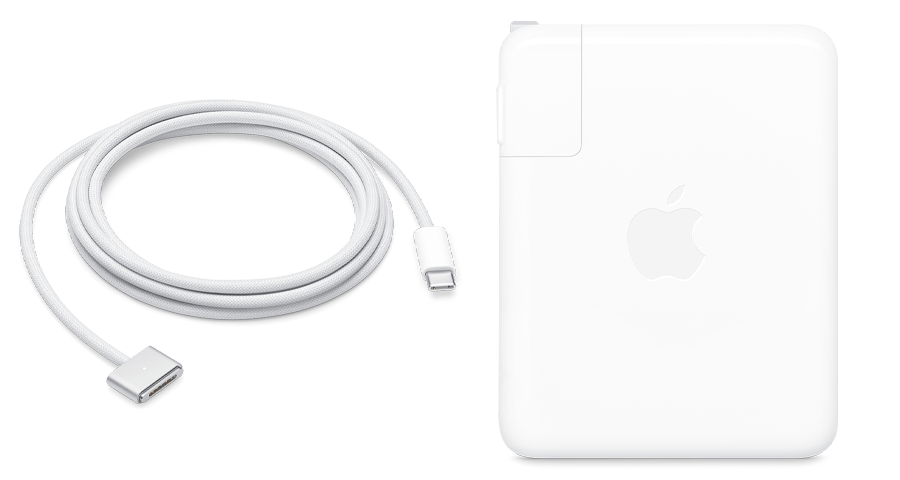
Apple users across the United States are suddenly searching for one thing: macbook charger types. From college dorms to corporate offices, confusion around charging ports and adapters has surged as Apple continues evolving its laptop lineup. With USB-C dominating modern devices, MagSafe making a comeback, and older chargers still circulating online, many MacBook owners are wondering if they’re using the right charger—or worse, damaging their expensive laptop.
The topic of macbook charger types has quietly become one of the most discussed tech questions this year. As new MacBook models arrive with different charging technologies, everyday users face a simple but critical challenge: understanding which charger actually works. The answer isn’t as straightforward as it used to be. Between MagSafe generations, USB-C power delivery standards, and varying wattages, choosing the correct charger can mean the difference between lightning-fast charging and painfully slow power-ups.
Why MacBook Charger Types Are Suddenly Trending in 2026
In the past few months, search interest in macbook charger types has spiked across the United States. Tech analysts say the reason is simple: Apple’s MacBook lineup now supports multiple charging technologies at the same time. Older Intel MacBooks use MagSafe connectors, newer models rely on USB-C charging, and the latest MacBook Pros even combine both MagSafe and USB-C options.
This transition has created confusion for millions of users. Many people upgrading from older devices are unsure whether their existing charger still works. Meanwhile, refurbished MacBook sales and second-hand marketplaces have increased dramatically, meaning buyers often receive laptops without original chargers. As a result, understanding macbook charger types is no longer just a technical detail—it’s essential knowledge for MacBook owners in 2026.
The Three Main MacBook Charger Types Explained
When discussing macbook charger types, most Apple devices fall into three major categories: MagSafe 1, MagSafe 2, and USB-C chargers. Each of these charging systems represents a different era in Apple’s design philosophy and technology evolution.
MagSafe chargers were originally introduced as a safety feature. The magnetic connector easily detaches when someone trips over the cable, preventing laptops from crashing to the floor. USB-C chargers, on the other hand, represent Apple’s push toward universal connectivity. Today’s MacBooks use USB-C not just for charging but also for data transfer, displays, and accessories, making it one of the most versatile ports in modern laptops.
MagSafe Chargers: The Classic Apple Charging Solution
MagSafe chargers were the standard for MacBooks for nearly a decade. These chargers attach magnetically to the laptop, creating a secure connection that safely disconnects if the cable is pulled. Two versions exist—MagSafe 1 and MagSafe 2—and they remain important parts of the macbook charger types ecosystem.
MagSafe 1 chargers were used in older MacBook Pro and MacBook Air models released before 2012. MagSafe 2 followed shortly after, featuring a thinner and wider connector designed for slimmer MacBook designs. While adapters exist to convert between these two connectors, many users still struggle to identify which version their device requires. For people buying used MacBooks, recognizing these differences is crucial.
USB-C Charging: The Modern Standard for MacBooks
USB-C has rapidly become the dominant technology among macbook charger types. Starting in 2016, Apple began transitioning its MacBook lineup to USB-C ports. These chargers support fast charging, universal compatibility, and higher power delivery levels compared with earlier chargers.
The biggest advantage of USB-C is flexibility. A single cable can charge laptops, tablets, and smartphones. For MacBook users, this means fewer accessories and easier travel. However, USB-C chargers come in different wattages, including 30W, 61W, 67W, 96W, and even 140W adapters. Choosing the wrong wattage doesn’t usually damage a MacBook, but it can significantly slow down charging performance.
MagSafe 3: Apple’s Surprising Comeback Technology
One of the most surprising developments in macbook charger types is the return of MagSafe. Apple reintroduced the technology in 2021 with MagSafe 3 for newer MacBook Pro models. This updated connector combines the safety benefits of magnetic charging with the speed of modern power delivery.
MagSafe 3 also supports fast charging, allowing certain MacBook Pro models to reach 50 percent battery in about 30 minutes. Despite its return, Apple still includes USB-C charging capabilities in these devices. That means users now have two charging options, adding convenience but also contributing to ongoing confusion around charger compatibility.
Choosing the Right Wattage for Your MacBook
Another reason macbook charger types continue trending online is the question of wattage. Apple laptops require different power levels depending on the model. For example, a MacBook Air typically uses a 30W or 35W charger, while a MacBook Pro may require 67W, 96W, or 140W adapters.
Using a lower-wattage charger is generally safe, but charging will be slower. On the other hand, using a higher-wattage charger usually doesn’t harm the laptop because Apple devices regulate power intake automatically. Still, tech experts recommend matching your charger wattage with the official Apple recommendation to ensure optimal performance and battery health.
Common Mistakes MacBook Users Make With Chargers
Despite widespread awareness about macbook charger types, many MacBook owners still make avoidable mistakes. One of the most common errors is purchasing cheap third-party chargers that lack proper power regulation. These low-quality accessories can cause overheating, battery degradation, or unreliable charging.
Another frequent mistake is confusing USB-C cables with USB-C charging cables. Not every USB-C cable supports high-wattage charging. Some cables are designed only for data transfer or low power output. For MacBook users, using certified cables with sufficient power delivery support is essential to ensure safe and efficient charging.
Quick Facts About MacBook Charger Types
Several interesting facts help explain why macbook charger types remain a hot topic in technology discussions. Apple’s shift to USB-C charging allowed the company to reduce electronic waste by enabling cross-device charging compatibility. However, the return of MagSafe introduced a hybrid charging ecosystem.
Industry reports estimate that more than 70 percent of MacBook users now rely primarily on USB-C charging. At the same time, many professionals still prefer MagSafe because of its safety and convenience. This dual system reflects Apple’s strategy of balancing modern technology with user-friendly design.
What the Future of MacBook Charging Could Look Like
The future of macbook charger types may involve even more innovation. Technology experts predict that Apple could introduce improved fast-charging standards or enhanced wireless charging capabilities in future MacBooks. While wireless charging is common for smartphones, laptops still require higher power levels that current wireless systems struggle to deliver efficiently.
There are also rumors that Apple may eventually standardize its charging system further across devices. This could mean even faster USB-C charging, new MagSafe enhancements, or smarter power management systems. Whatever direction Apple takes, understanding charger compatibility will remain an essential skill for MacBook owners.
Why Every MacBook Owner Should Understand Charger Compatibility
As Apple continues updating its laptop lineup, the conversation around macbook charger types will only grow louder. Whether you’re a student, professional, or creative user, choosing the correct charger affects battery health, charging speed, and device safety.
Understanding your MacBook’s charging technology helps prevent wasted money, damaged cables, and frustrating charging issues. With multiple connector types and wattage options available today, being informed ensures your MacBook performs at its best every day.
If you’re planning to upgrade your MacBook, buy a replacement charger, or purchase a used device, take a moment to research macbook charger types carefully. The right charger doesn’t just power your laptop—it protects your investment and keeps your workflow running smoothly.