
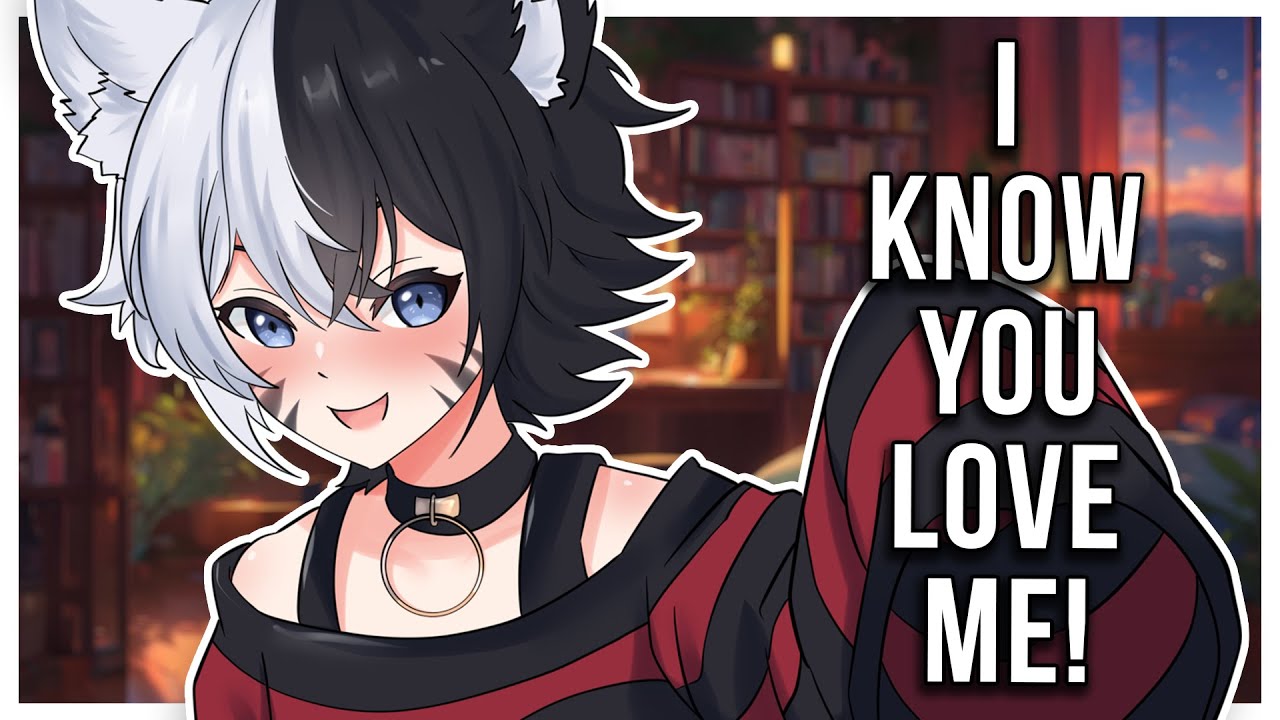
A New Internet Identity Trend Is Taking Over Feeds
Scroll through trending posts on platforms like TikTok, X, or Discord and one thing quickly stands out: a wave of soft-aesthetic avatars featuring pastel colors, anime-style characters, and androgynous fashion. The sudden rise of the femboy pfp has caught the attention of millions of users across the United States. What began as a niche online style has rapidly evolved into one of the most recognizable profile picture trends of the year.
In the first few seconds of seeing a femboy pfp, viewers often notice its distinctive aesthetic—soft lighting, expressive eyes, colorful hair, and fashion that blends traditionally masculine and feminine elements. This visual identity is not just about style; it represents a broader cultural shift in digital self-expression. As Gen Z and younger millennials shape online spaces, profile pictures are becoming powerful symbols of identity, creativity, and community.
What Exactly Is a Femboy PFP?
A femboy pfp refers to a profile picture that features a character or aesthetic associated with “femboy” culture—typically a male or male-presenting character with feminine traits or fashion. These avatars often appear in anime-style artwork, digital illustrations, or edited photos that emphasize soft visuals and playful self-expression.
The trend is particularly visible on communities like Reddit and Discord, where users adopt avatars that reflect their personality or aesthetic preferences rather than their real-world appearance. For many people, choosing a femboy pfp is less about gender identity and more about artistic style, internet humor, or belonging to a particular online subculture.
How The Femboy PFP Trend Went Viral
Internet trends rarely explode overnight without a catalyst. The femboy pfp surge can largely be traced back to short-form video culture and meme communities. On TikTok, creators began posting videos encouraging viewers to “join the femboy pfp trend,” often pairing aesthetic avatars with music edits and stylized transitions.
Within weeks, thousands of users changed their avatars to match the trend. Some did it as a joke, others as a form of solidarity within online communities. Viral hashtags connected to the femboy pfp movement have already collected millions of views, turning what once looked like a niche internet meme into a mainstream social media phenomenon.
Why Gen Z Loves The Aesthetic
One reason the femboy pfp trend resonates strongly with younger audiences is its emphasis on aesthetic freedom. Gen Z internet culture celebrates experimentation with identity, fashion, and digital representation. A profile picture becomes more than a static image—it becomes a statement about individuality.
Many users say adopting a femboy pfp reflects a broader cultural movement toward breaking traditional style boundaries. Online spaces allow people to explore identities and aesthetics without the limitations of the offline world. The result is a creative playground where anime avatars, pastel edits, and expressive digital characters thrive.
The Role Of Anime And Digital Art Communities
Another key factor behind the rise of the femboy pfp trend is the influence of anime and digital art communities. Artists across platforms like Reddit and Discord frequently share illustrated avatars designed specifically for profile pictures. These artworks often feature stylized characters with vibrant colors and expressive personalities.
Anime-inspired aesthetics already dominate many internet spaces, particularly among gaming and streaming communities. Because of this, the femboy pfp trend fits naturally into an environment where digital avatars are a core part of online identity. Artists have even started creating custom avatar packs, giving users unique ways to participate in the trend.
Social Media Algorithms Are Fueling The Trend
Algorithms play a major role in pushing viral trends, and the femboy pfp phenomenon is no exception. Platforms like TikTok and X reward visually distinctive content. When users notice multiple accounts using similar avatars, curiosity spreads quickly, encouraging more people to join.
Once enough creators adopt the style, algorithms begin recommending related content to millions of viewers. This cycle accelerates visibility, turning a niche meme into a nationwide trend. As more users search for femboy pfp inspiration, the algorithm amplifies the content even further.
Critics And Supporters Debate The Meaning
As with many viral internet movements, the femboy pfp trend has sparked both enthusiasm and debate. Supporters argue that the trend promotes creativity, inclusivity, and freedom of expression. For many participants, it represents a playful and artistic way to explore online identity.
Critics, however, sometimes misunderstand the trend or assume it represents something more controversial than it actually does. In reality, most users adopting a femboy pfp simply see it as an aesthetic choice or meme culture phenomenon. The conversation surrounding the trend highlights how quickly internet symbols can take on layered meanings in digital communities.
Quick Facts About The Femboy PFP Trend
The speed of the femboy pfp trend has surprised many social media analysts. According to recent social media tracking reports, profile picture trends now spread nearly three times faster than they did five years ago. Viral formats that once took months to reach mainstream audiences can now spread globally within days.
Another interesting statistic is the role of visual identity online. Studies show that nearly 70 percent of Gen Z users change their profile picture multiple times per year. This constant evolution of digital identity helps explain why trends like the femboy pfp can gain momentum so quickly.
What The Future Of Profile Picture Trends Looks Like
The explosive growth of the femboy pfp trend may signal a bigger shift in how people present themselves online. Instead of using real photos, many users now prefer stylized avatars, illustrated characters, or themed aesthetic images that express personality more creatively.
Experts believe the next wave of digital identity trends could involve AI-generated avatars, animated profile pictures, or customizable digital characters. If that happens, trends similar to the femboy pfp movement could become even more sophisticated, blending art, technology, and personal expression.
Why This Trend Matters In Internet Culture
At first glance, a femboy pfp might look like just another internet meme. But its rapid rise reveals something deeper about how online culture works. Profile pictures have become powerful tools for communication, signaling community membership, humor, aesthetic taste, and sometimes even social values.
In an era where millions of people interact primarily through digital platforms, small visual choices carry surprising influence. A single avatar trend can spark conversations, inspire creativity, and shape the visual language of entire online communities.
The Trend Is Still Growing
Despite already reaching millions of users, the femboy pfp trend shows no signs of slowing down. New variations appear daily as artists and creators remix the aesthetic with different styles, colors, and themes. What started as a small internet niche has become a defining visual trend across multiple social media platforms.
If history is any indication, profile picture trends evolve quickly—but they rarely disappear entirely. Even after the hype fades, the femboy pfp aesthetic will likely continue influencing avatar culture, digital art communities, and the broader landscape of internet identity.
Final Thoughts
The rise of the femboy pfp trend shows how quickly online culture can transform a simple visual style into a global conversation. From anime-inspired art to viral social media challenges, the movement highlights the power of digital creativity and the evolving ways people express themselves online.
As social media continues to reshape identity and community, trends like the femboy pfp will keep emerging, surprising audiences and redefining internet aesthetics. If you want to stay ahead of viral culture, keep watching these emerging profile picture trends—because the next big digital identity movement might already be starting.